
The Nature of Luck in Gambling
Luck is often regarded as the heartbeat of gambling, with players frequently attributing their wins and losses solely to chance. This belief is deeply rooted in gambling culture, fostering the idea that some individuals possess a natural affinity for luck while others are destined to fail. However, it is essential to understand that luck is not a tangible force but rather a statistical concept that influences the short-term outcomes of gambling, much like what is offered at briscorentals.co.uk , which highlights the unpredictable nature of games. Over time, as players engage in numerous games, luck tends to balance out, revealing that while it impacts immediate results, it does not dictate long-term success.
The randomness inherent in many casino games highlights the role of luck. In games like slots, roulette, or dice rolling, every outcome is unpredictable, with each spin or roll being independent of prior events. This randomness creates a thrilling atmosphere for players, who hope that fortune will favor them. Nevertheless, the influence of luck diminishes in games that require skill, where strategic decisions can sway the odds in a player’s favor. Understanding this distinction is crucial for gamblers looking to enhance their chances of success.
While luck is a factor, it is vital to recognize that it is not the only element affecting a player’s experience at a casino. Skilled players who grasp the mechanics of the games, the probabilities involved, and effective strategies can leverage their knowledge to minimize losses and maximize potential winnings. This leads to a fascinating interplay between luck and skill, where a solid understanding of probabilities and game strategies can significantly elevate one’s gambling experience, making it more enjoyable and potentially profitable.
The Role of Skill in Casino Games
Skill in gambling is often underestimated, particularly in games that seem to be governed solely by luck. However, various games such as poker, blackjack, and sports betting rely heavily on strategic thinking, risk assessment, and psychological insight. Take poker, for example; players must read their opponents, calculate the odds, and make critical decisions about when to bluff or fold. This intricate blend of psychological acumen and analytical skill can drastically influence the outcome of the game, demonstrating that skill complements luck in the gambling arena.
Blackjack serves as a prime example where strategic skill can significantly affect winning probabilities. Players who understand basic strategy can make decisions that are statistically more favorable, such as knowing when to hit, stand, or double down. Additionally, many experienced players employ card counting techniques to gain an edge over the house, effectively combining skill with an awareness of luck’s role in the game. This synergy between skill and luck ultimately leads to better outcomes compared to those who rely solely on chance.

The significance of skill extends beyond individual games; it encompasses overall gambling strategies as well. Experienced gamblers develop essential bankroll management skills, learning to bet conservatively during losing streaks while taking calculated risks when fortune smiles upon them. This nuanced understanding of pacing and probability reflects a broader skill set that distinguishes proficient gamblers from those who depend merely on luck. As these skilled players continuously adapt and refine their strategies, they become better equipped to navigate the unpredictable landscape of gambling.
Common Myths about Luck and Skill
Numerous myths surround the concepts of luck and skill within the casino realm, leading to misunderstandings about what genuinely influences a player’s success. One prevalent myth is the belief that bad luck can ‘run out’ or that players can somehow alter their fortune through rituals or superstitions. In reality, luck remains inherently random and does not follow predictable patterns. Consequently, relying on such myths can lead to detrimental gambling behaviors that prioritize hope over sound strategy, often resulting in financial setbacks.
Another common misconception is that skillful players always emerge victorious. While skill can indeed enhance a player’s odds, it does not guarantee success in every gaming session. Variances and bad beats are inevitable parts of gambling, and players must balance the understanding that skill improves their chances with the acknowledgment of luck’s unpredictable nature. This nuanced perspective fosters healthier attitudes towards gambling, enabling players to appreciate the experience while maintaining realistic expectations about their outcomes.
Furthermore, many individuals hold the belief that the house always wins due to inherent advantages built into casino games. While it is true that casinos maintain a house edge, skilled players who employ optimal strategies can mitigate this advantage. By comprehensively understanding the rules, probabilities, and their tendencies, players can significantly influence their overall results. This reality underscores that while luck exists, the element of skill can counterbalance and shape outcomes over time, allowing for a more rewarding gambling experience.
The Psychological Aspects of Luck and Skill
The psychological interplay between luck and skill in gambling plays a crucial role in shaping player experiences and decision-making processes. Many gamblers encounter a phenomenon known as the illusion of control, where they believe that their actions or choices can manipulate outcomes. While this belief can enhance the thrill of gambling, it may lead to misguided strategies, as players become overly confident in their abilities or fail to acknowledge the role of luck in their successes and failures.
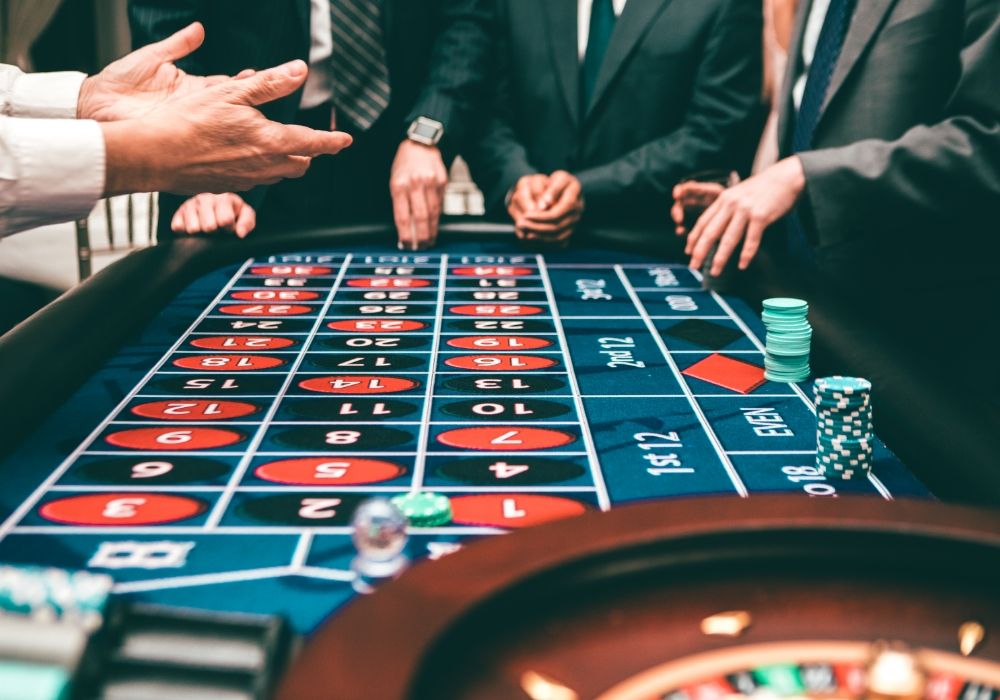
Cognitive biases frequently impact how players perceive luck and skill in their gambling activities. For instance, the availability heuristic can cause individuals to recall their wins more vividly than their losses, fostering an inflated perception of their luck. Conversely, during a losing streak, players may downplay the significance of skill, attributing their outcomes entirely to bad luck. Recognizing these psychological tendencies is essential for players to maintain a balanced view of their gambling habits, promoting healthier gaming practices that minimize the risk of problem gambling.
Moreover, the emotions that players experience can heavily influence their gambling decisions. The exhilaration of a winning streak may lead to riskier bets, while losses can evoke frustration or desperation, resulting in poor judgment. Understanding how emotions intertwine with perceptions of luck and skill can empower players to adopt more rational decision-making strategies. By maintaining emotional regulation and a clear distinction between luck and skill, players can cultivate a more enjoyable and sustainable gambling experience, ultimately enhancing their overall enjoyment of the gaming process.
Exploring Resources for Responsible Gambling
Grasping the complexities of luck and skill in casinos can enhance the overall experience for players, but it is equally important to remain aware of responsible gambling practices. Resources dedicated to gaming education and responsible gambling provide invaluable insights for individuals seeking to navigate the intricacies of both luck and skill. These platforms offer guidance on game strategies, bankroll management, and the psychological dimensions of gambling, empowering players to make informed decisions that mitigate risks.
In addition to strategies and psychological education, these resources often feature tools for self-assessment and limit-setting, enabling players to regulate their gambling activities effectively. By utilizing such resources, players can strike a balance between enjoying the excitement of gambling while minimizing the potential risks associated with excessive play. Furthermore, these platforms frequently connect players with support networks and counseling services for those in need of assistance, reinforcing the significance of mental well-being in the gaming world.
In conclusion, delving into the truth behind luck and skill in casinos allows for a richer understanding of the gambling experience. While luck undoubtedly influences the outcomes of casino games, skill can significantly enhance long-term success. By exploring responsible gambling resources, players can relish the excitement of the casino while maintaining control, making informed decisions that promote a balanced and enjoyable gaming journey. Ultimately, recognizing the dynamic relationship between luck and skill will lead to a more fulfilling gambling experience, enabling players to navigate the thrills and challenges of the casino world with confidence.